
















Managing fuel logistics for fleets operating in remote or off-grid locations is one of the most significant operational challenges for infrastructure, mining, and logistics companies in India. When heavy machinery, generators, or transport vehicles are stationed miles away from the nearest retail fuel station, the cost of downtime caused by "dry tanks" can be astronomical. To maintain continuous uptime, project managers rely on mobile bowsers and service trucks equipped with rugged dispensing systems.
However, not all dispensing units are created equal. For Indian industrial conditions—characterized by extreme heat, dust, and rough terrain—a standard transfer pump is often insufficient. This is where a dedicated, engineered Mobile Fuel Dispenser becomes critical. Unlike simple transfer pumps, these units are designed to measure, filter, and dispense fuel with the accuracy and reliability required for inventory control and cost management.
This article explores the technical considerations for specifying these units, ensuring that fleet operators select equipment that offers durability, precise calibration, and compatibility with the demanding environments found across Indian industrial sites.
In This Article
1. What the Mobile Fuel Dispenser Does
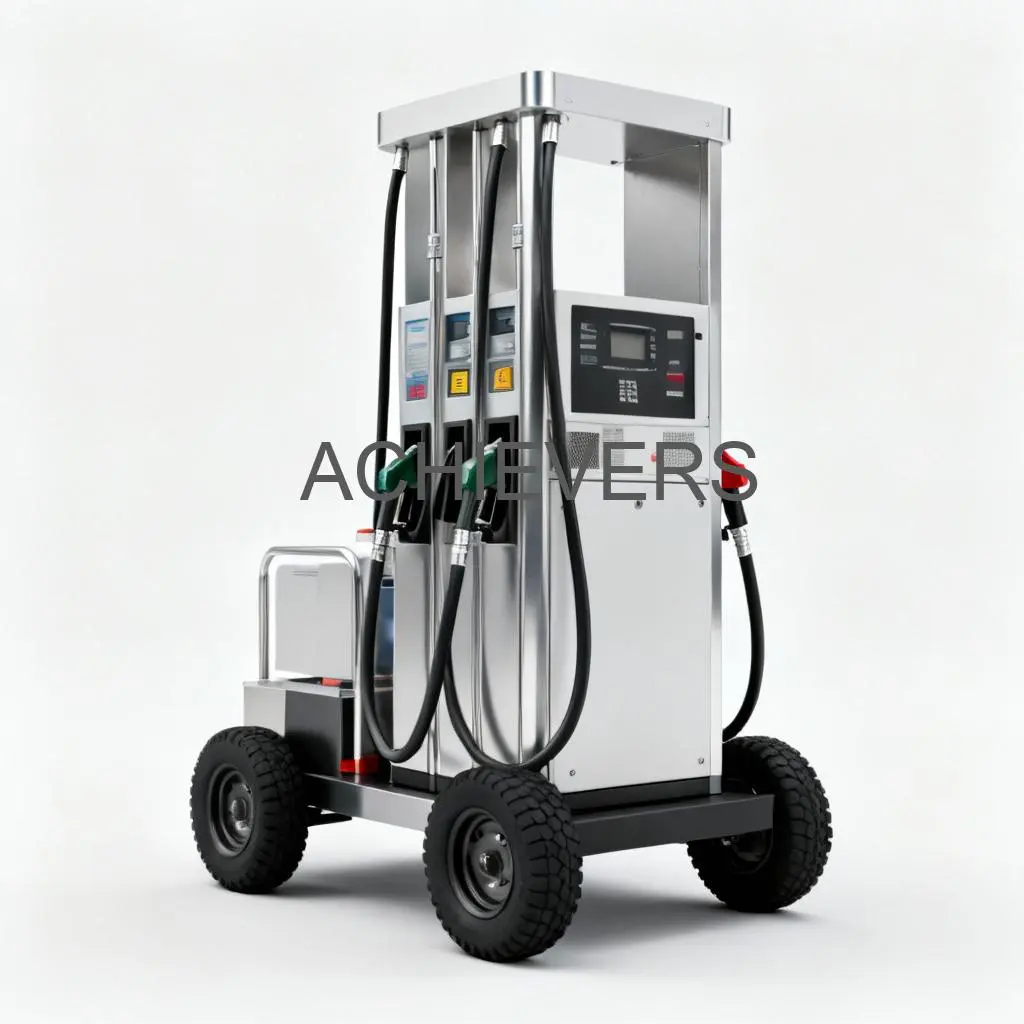
A Mobile Fuel Dispenser is a specialized fluid handling system designed to be mounted on mobile platforms such as diesel bowsers, fuel trailers, or service trucks. Its primary function is to facilitate the safe and accurate transfer of diesel fuel from a mobile storage tank to the equipment being refueled.
Based on the engineering standards maintained by Chintan Engineers, these units are not merely pumps; they are integrated systems that combine several critical functions into a single, compact enclosure or skid-mounted assembly.
Key Functional Components:
- Pumping Unit: The heart of the system is a heavy-duty pump designed to create sufficient suction lift and discharge pressure. These are engineered to handle the viscosity of diesel fuel efficiently, ensuring steady flow even when the bowser tank level is low.
- Flow Measurement: Precision is a core value of the product. The dispenser includes a high-accuracy flow meter. This component is essential for diesel fuel refueling solutions for contractors, as it allows site managers to track exactly how much fuel goes into each asset, preventing theft and billing disputes.
- Filtration: Given the sensitivity of modern Common Rail Direct Injection (CRDI) engines used in new excavators and trucks, the dispenser typically incorporates filtration to remove particulate matter and moisture before the fuel enters the vehicle tank.
- Dispensing Interface: The unit is equipped with a delivery hose and an auto-shutoff nozzle, ensuring safe filling without spillage—a critical environmental and safety requirement on job sites.
The design philosophy behind the mobile fuel dispenser focuses on ruggedness. The components are housed in durable casings that protect against vibration, dust ingress, and impact, all of which are common when traveling over unpaved site roads.
2. Choosing the Right Setup for Remote Fleet Refueling
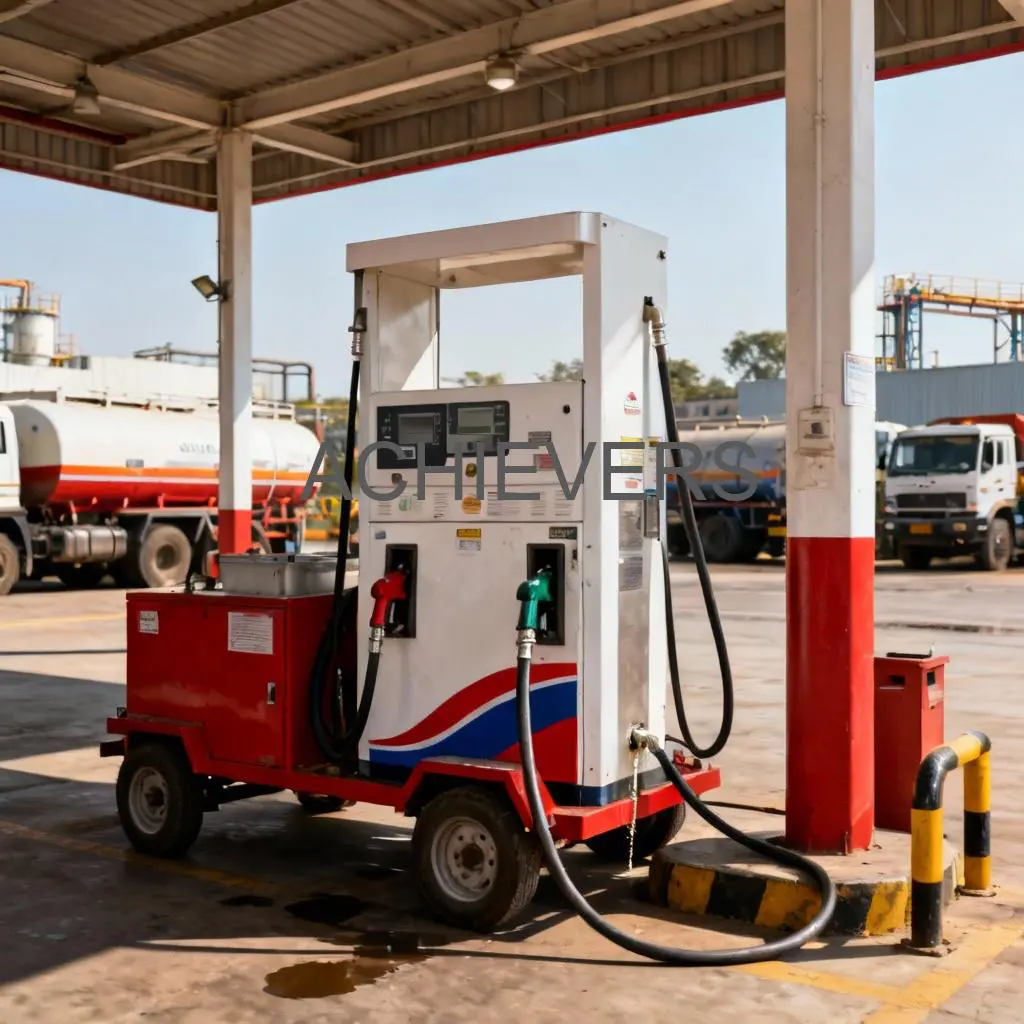
For fleet operators, contractors, and project engineers, selecting the correct Mobile Fuel Dispenser is not a "one-size-fits-all" decision. The specification process must align with the operational realities of the site, the available power sources, and the volume of fuel being moved daily.
This section serves as a guide to matching dispenser specifications with the unique requirements of mobile fuel dispenser for fleet refueling in India.
Power Options: DC vs. AC
One of the first decisions a project engineer must make is the power source for the dispenser.
- 12V/24V DC Options: These are the most common for true mobile refueling. The dispenser draws power directly from the vehicle’s battery system. This is ideal for bowsers and pickup trucks that travel to remote corners of a mine or construction site where no external power is available. The engineering challenge here is ensuring the motor can deliver high torque and flow without draining the vehicle battery excessively.
- 220V AC Options: For semi-mobile setups—such as a skid tank stationed at a temporary campsite that has a DG set or grid power—an AC-powered mobile fuel dispenser offers consistent performance and often higher flow rates. However, it limits the bowser's ability to refuel assets in completely off-grid zones.
Mounting and Form Factors
The vibration experienced by a fuel bowser on Indian roads can be destructive to sensitive mechanical components. Therefore, the mounting format is crucial.
- Cabinet/Box Type: Encased units offer the best protection against weather and theft. The lockable cabinet keeps the nozzle and display secure when the truck is parked.
- Plate/Skid Mount: These are open-type units, often preferred for ease of maintenance and visual inspection of leaks, typically installed inside the lockable compartment of a larger bowser truck.
Flow Rates and Efficiency
Time is a critical resource in logistics. A slow dispenser creates bottlenecks during shift changes.
- Standard Flow (approx. 40-50 LPM): Suitable for refueling smaller assets like pickup trucks, small gensets, or light commercial vehicles.
- High Flow (approx. 70-90 LPM): Essential for heavy earthmoving machinery (excavators, dumpers) with fuel tanks exceeding 300-500 liters. A high-flow mobile fuel dispenser significantly reduces the "pit stop" time for these expensive machines.
Digital Features and Accountability
In the context of how to choose mobile fuel dispensers, modern fleet operators are increasingly prioritizing data over simple mechanical pumping. Digital flow meters provided in these units offer resettable batch totals (for individual vehicle logs) and non-resettable cumulative totals (for auditing the total volume dispensed from the bowser). This data is vital for reconciling fuel purchases against consumption, a major pain point in the Indian construction sector.
3. Selection and Configuration Guide
When sending an enquiry to mobile fuel dispenser manufacturers in India, providing vague requirements often leads to mismatched equipment. To ensure you receive a system that delivers long-term value and reliability, industrial buyers should follow a structured selection process.
Here is a checklist of technical details to define before purchase:
Technical Specifications Checklist
- Primary Power Source: Confirm if the vehicle electrical system is 12V or 24V DC, or if 230V AC is available. Voltage mismatch is a common cause of motor failure.
- Required Flow Rate: Calculate this based on your largest fuel tank size. If you need to fill a 600-liter tank in under 10 minutes, you need a high-flow pump.
- Fluid Properties: While primarily for diesel, specify if the unit will handle other fluids (like kerosene or biodiesel) to ensure seal compatibility.
- Suction Conditions: Determine the distance and height from the bottom of the bowser tank to the dispenser inlet. Excessive suction lift can cause cavitation and pump damage.
- Duty Cycle: specific whether the pump will run continuously for hours or intermittently. DC motors typically have shorter duty cycles (e.g., 30 minutes on, 30 minutes off) to prevent overheating.
Configuration Options to Consider
- Meter Type:
- Mechanical: Robust, simple, no batteries required. Good for harsh environments.
- Digital: Higher precision, easier to calibrate, better for detailed record-keeping.
- Filtration Level: Ask for water separators if your fuel supply chain is prone to moisture contamination (common in humid regions of India).
- Nozzle Type: Always opt for an automatic shut-off nozzle. It prevents manual errors and dangerous spillages, crucial for environmental compliance.
- Hose Length: Standard lengths are usually 4 meters, but for large equipment, a 6-10 meter hose with a hose reel might be necessary to reach the tank inlet without repositioning the truck.
4. Typical Applications
The versatility of the mobile fuel dispenser makes it a staple across various industrial sectors in India. While the core function remains diesel transfer, the operational context varies significantly.
1. Infrastructure and Road Construction
Linear projects like highways and railways involve equipment spread over dozens of kilometers. A stationary fuel tank is impractical. Contractors mount these dispensers on pickup trucks to perform "milk runs," topping up pavers, rollers, and excavators along the route.
2. Mining and Quarrying
In open-cast mines, heavy dumpers and excavators cannot travel to a fuel station without losing significant production time. High-flow mobile dispensers mounted on rugged service trucks bring fuel directly to the pit, ensuring the fleet runs 24/7.
3. Agriculture and Estates
Large tea estates and mechanized farms utilize these dispensers to refuel tractors and harvesters in the field, maximizing the working window during harvest seasons.
4. Power Generation and Telecom
Telecom towers and remote industrial units rely on diesel generators (DG sets) for backup power. Mobile refueling units are used by facility management companies to top up these dispersed assets efficiently and accurately, ensuring network uptime.
5. Service, Installation, and Support
Even the most robust diesel bowser dispenser selection guide is incomplete without addressing after-sales support. A mobile fuel dispenser is a precision instrument operating in a hostile environment; therefore, installation and maintenance are key to longevity.
Proper Installation Matters
Correct electrical grounding and fusing are critical, especially for DC-powered units, to prevent short circuits or fire hazards. Additionally, the suction line must be perfectly sealed to prevent air ingress, which can result in inaccurate meter readings—a scenario Chintan Engineers mitigates through precision engineering and design guidance.
Calibration and AMC
Over time, mechanical wear or debris can affect the accuracy of the flow meter.
- Calibration: Periodic verification of the meter against a standard measure is essential for maintaining trust in fuel accounting.
- Spares Availability: Using a reputable Indian manufacturer ensures access to genuine spares like pump vanes, seals, and meter gears.
- Annual Maintenance Contracts (AMC): For large fleets, engaging in an AMC ensures that filters are changed, and pumps are serviced proactively, preventing sudden breakdowns.
Chintan Engineers emphasizes end-to-end solutions, meaning the relationship does not end at the sale. From technical advice on the best mounting position to supplying calibration certificates and genuine components, the focus is on enduring support.
Call to Action
Selecting the right dispensing equipment is the first step toward total control over your fuel inventory and fleet efficiency. Don't let inaccurate metering or pump failures disrupt your project timelines.
Contact Chintan Engineers today to configure the ideal solution for your fleet.
When you reach out, be ready to share:
- Application: (e.g., Mining, Road Construction, DG filling)
- Power Preference: (12V DC, 24V DC, or AC)
- Estimated Daily Volume: (How many liters per day you intend to dispense)
Trust the experts in industrial flow and dispensing systems to power your operations with precision.